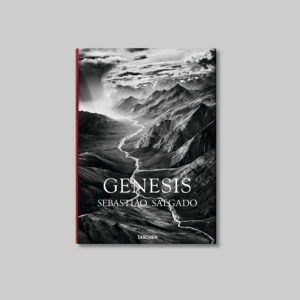
Sebastião Salgado. GENESIS (mini)

Taschen

3 150

«В GENESIS моя камера позволила природе говорить со мной. И это была моя привилегия — слушать» — Себастьяо Сальгадо

В один очень удачный день в 1970 году 26-летний Себастьяо Сальгадо впервые взял в руки фотоаппарат. Когда он посмотрел в видоискатель, то испытал откровение: внезапно жизнь обрела смысл. С того дня и по сей день — хотя потребовались годы упорного труда, прежде чем он смог зарабатывать на жизнь как фотограф, — камера стала его инструментом для взаимодействия с миром. Сальгадо, который «всегда предпочитал черно-белую палитру кьяроскуро», в начале своей карьеры снимал очень мало цветных фотографий, а затем полностью отказался от них.

Выросший на ферме в Бразилии, Сальгадо обладал глубокой любовью и уважением к природе; он также был особенно чувствителен к тому, как на людей влияют их зачастую разрушительные социально-экономические условия. Из огромного количества работ, созданных Сальгадо за свою знаменитую карьеру, выделяются три долгосрочных проекта: Workers (1993), документирующий исчезающий образ жизни подсобных рабочих по всему миру; Migrations (2000), дань массовой миграции, вызванной голодом, стихийными бедствиями, деградацией окружающей среды и демографическим давлением; и новый опус GENESIS, результат эпической восьмилетней экспедиции с целью заново открыть горы, пустыни и океаны, животных и народы, которые до сих пор избежали отпечатка современного общества — землю и жизнь все еще нетронутой планеты. «Около 46% планеты все еще остается такой, какой она была во времена зарождения», — напоминает нам Сальгадо. «Мы должны сохранить то, что существует». Проект GENESIS вместе с Институтом Терра, принадлежащим Сальгадо, призван показать красоту нашей планеты, обратить вспять нанесенный ей ущерб и сохранить ее для будущего.

За 30 путешествий — пешком, на легких самолетах, морских судах, каноэ и даже на воздушных шарах, в сильную жару и холод, иногда в опасных условиях — Сальгадо создал коллекцию снимков, показывающих нам природу, животных и коренные народы в захватывающей дух красоте. Владея монохромом с исключительной ловкостью, не уступающей виртуозу Анселю Адамсу, Сальгадо выводит черно-белую фотографию на новый уровень; тональные вариации в его работах, контрасты светлого и темного напоминают работы таких старых мастеров, как Рембрандт и Жорж де Ла Тур.

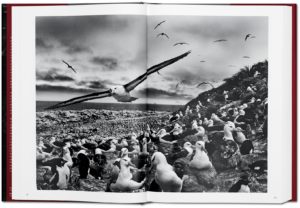
Что можно открыть для себя в GENESIS? Животные и вулканы Галапагосских островов; пингвины, морские львы, бакланы и киты Антарктики и Южной Атлантики; бразильские аллигаторы и ягуары; африканские львы, леопарды и слоны; изолированное племя зо’э в глубине джунглей Амазонки; народ каменного века короваи в Западном Папуа; кочевые скотоводы динка в Судане; кочевники ненеты и их оленьи стада в Заполярье; общины джунглей Ментаваи на островах к западу от Суматры; айсберги Антарктики; вулканы Центральной Африки и полуострова Камчатка; пустыни Сахары; реки Негро и Журуа в Амазонии; ущелья Большого каньона; ледники Аляски и не только. Посвятив столько времени, энергии и страсти созданию этой работы, Сальгадо называет GENESIS «моим любовным письмом планете».

В то время как ограниченное коллекционное издание задумано как широкоформатное портфолио, которое путешествует по планете, эта неограниченная книга представляет собой подборку фотографий, расположенных в пяти главах по географическому принципу: Планета Юг, Заповедники, Африка, Северные просторы, Амазония и Пантанал. Каждая по-своему, эта книга и коллекционное издание — оба отредактированы и оформлены Лелией Ваник Сальгадо — отдают дань уважения триумфальному и беспрецедентному проекту Сальгадо GENESIS.

Вес: 0.4 кгДxШxВ: 14x1.5x19.5 см

Sebastião Salgado. GENESIS (mini)

Taschen

3 150

«In GENESIS, my camera allowed nature to speak to me. And it was my privilege to listen.» —Sebastião Salgadonn
On a very fortuitous day in 1970, 26-year-old Sebastião Salgado held a camera for the first time. When he looked through the viewfinder, he experienced a revelation: suddenly life made sense. From that day onward—though it took years of hard work before he had the experience to earn his living as a photographer—the camera became his tool for interacting with the world. Salgado, who «always preferred the chiaroscuro palette of black-and-white images,» shot very little color in his early career before giving it up completely. Raised on a farm in Brazil, Salgado possessed a deep love and respect for nature; he was also particularly sensitive to the ways in which human beings are affected by their often devastating socio-economic conditions. Of the myriad works Salgado has produced in his acclaimed career, three long-term projects stand out: Workers (1993), documenting the vanishing way of life of manual laborers across the world; Migrations (2000), a tribute to mass migration driven by hunger, natural disasters, environmental degradation and demographic pressure; and this new opus, GENESIS, the result of an epic eight-year expedition to rediscover the mountains, deserts and oceans, the animals and peoples that have so far escaped the imprint of modern society—the land and life of a still-pristine planet. «Some 46% of the planet is still as it was in the time of genesis,» Salgado reminds us. «We must preserve what exists.» The GENESIS project, along with the Salgados’ Instituto Terra, are dedicated to showing the beauty of our planet, reversing the damage done to it, and preserving it for the future. Over 30 trips—traveled by foot, light aircraft, seagoing vessels, canoes, and even balloons, through extreme heat and cold and in sometimes dangerous conditions—Salgado created a collection of images showing us nature, animals, and indigenous peoples in breathtaking beauty. Mastering the monochrome with an extreme deftness to rival the virtuoso Ansel Adams, Salgado brings black-and-white photography to a new dimension; the tonal variations in his works, the contrasts of light and dark, recall the works of Old Masters such as Rembrandt and Georges de La Tour.nnWhat does one discover in GENESIS? The animal species and volcanoes of the Galápagos; penguins, sea lions, cormorants, and whales of the Antarctic and South Atlantic; Brazilian alligators and jaguars; African lions, leopards, and elephants; the isolated Zo’é tribe deep in the Amazon jungle; the Stone Age Korowai people of West Papua; nomadic Dinka cattle farmers in Sudan; Nenet nomads and their reindeer herds in the Arctic Circle; Mentawai jungle communities on islands west of Sumatra; the icebergs of the Antarctic; the volcanoes of Central Africa and the Kamchatka Peninsula; Saharan deserts; the Negro and Juruá rivers in the Amazon; the ravines of the Grand Canyon; the glaciers of Alaska… and beyond. Having dedicated so much time, energy, and passion to the making of this work, Salgado calls GENESIS «my love letter to the planet.» Whereas the limited Collector’s Edition is conceived like a large-format portfolio that meanders across the planet, this unlimited book presents a selection of photographs arranged in five chapters geographically: Planet South, Sanctuaries, Africa, Northern Spaces, Amazonia, and Pantanal. Each in its own way, this book and the Collector’s Edition—both edited and designed by Lélia Wanick Salgado—pay homage to Salgado’s triumphant and unparalleled GENESIS project.n The photographer Sebastião Salgado began his career as a professional photographer in Paris in 1973 and subsequently worked with the photo agencies Sygma, Gamma, and Magnum Photos. In 1994 he and his wife Lélia Wanick Salgado created Amazonas Images, which exclusively handles his work. Salgado’s photographic projects have been featured in many exhibitions as well as books, including Sahel, L’Homme en détresse (1986), Other Americas (1986), Workers (1993), Terra (1997), Migrations (2000), The Children (2000), Africa (2007), Genesis (2013), The Scent of a Dream (2015), and Kuwait, A Desert on Fire (2016). The editor and author Lélia Wanick Salgado studied architecture and urban planning in Paris. Her interest in photography started in 1970. In the 1980s she began conceiving and designing the majority of Sebastião Salgado’s photography books and all the exhibitions of his work. Lélia Wanick Salgado has been the director of Amazonas Images since 1994.

Вес: 0.4 кгДxШxВ: 14x1.5x19.5 см